
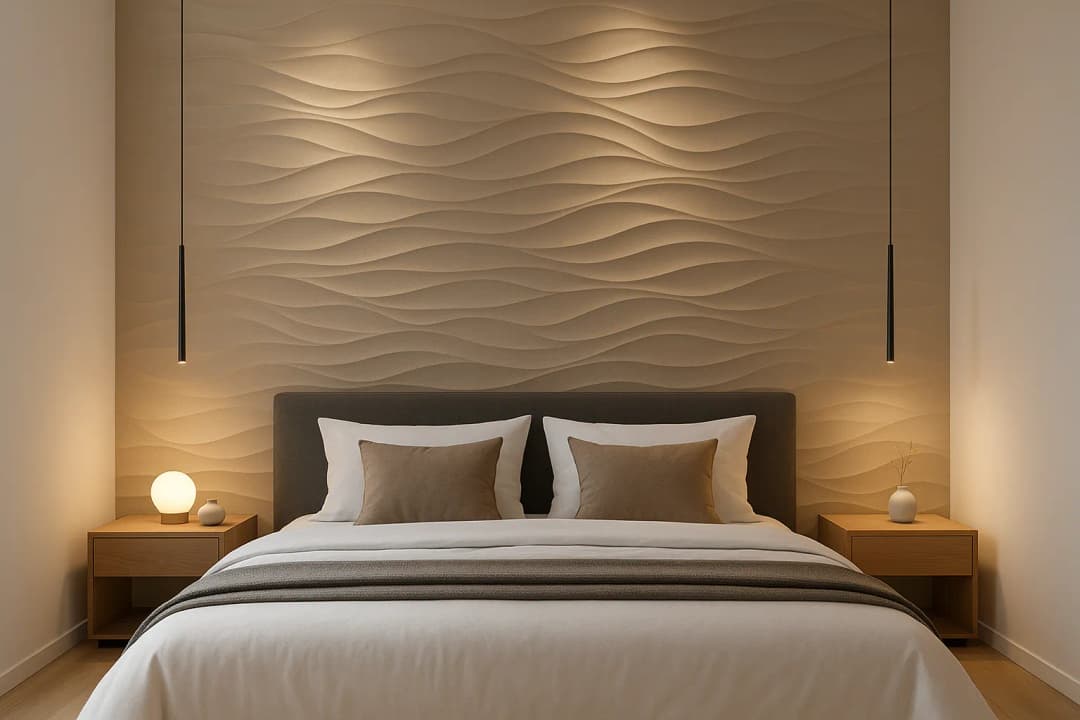
Why Wall Mouldings Are Making a Comeback
A few years ago, wall mouldings were something you only saw in old heritage buildings or five star hotels. Today, they are showing up in modern apartments, coworking spaces, and regular Indian homes. The reason is simple. Mouldings add depth and character to a room without needing a complete renovation. You do not have to tear down walls or repaint everything. Just adding profiles to an existing wall can change the whole feel of the space.
The Difference Between Mouldings and Profiles
People often use these two words interchangeably, but there is a subtle difference. Wall profiles are the individual strips or trims you install on a wall. Wall mouldings refer to the overall design or pattern created using those profiles. So when someone says they want wainscoting or panel moulding, they are talking about a specific arrangement of profiles. Understanding this difference helps when you are discussing designs with a carpenter or interior designer.
Types of Wall Moulding Styles
There are several popular styles, and each one creates a different mood.
- Panel moulding creates rectangular frames on the wall, giving a classic European look
- Board and batten uses vertical strips with a flat board behind, popular in farmhouse style interiors
- Wainscoting covers the lower half of the wall and is great for protecting walls from furniture marks
- Picture frame moulding creates empty frames on the wall that look elegant with minimal effort
- Chair rail moulding is a single horizontal strip at chair height, practical and decorative at the same time
Choosing the Right Material
The material depends on your budget and where you plan to install the mouldings.
PVC mouldings are the most practical option for most Indian homes. They do not warp, they handle humidity well, and they are affordable. If you want something that looks more premium, HDHMR boards give you a solid wood feel without the high price tag. For bedrooms and living rooms where moisture is not a concern, MDF works perfectly because it takes paint very well.
Solid wood mouldings are beautiful but expensive. They work best in spaces where you want a natural, warm look. Teak and oak are popular choices, though they need regular maintenance to keep them looking good.
Where to Use Wall Mouldings
The living room is the most common place for mouldings, especially the wall behind the sofa or the TV unit. Bedrooms are next, with mouldings behind the headboard creating a cozy, boutique hotel feel. Dining rooms benefit from wainscoting because the lower wall gets bumped by chairs frequently.
Hallways and entryways are often overlooked, but mouldings can make even a narrow corridor feel more intentional and designed. Some homeowners also add mouldings to the ceiling edge as a crown moulding, which gives the room a finished, polished look.
Cost and Budget Planning
For a standard 10 by 12 foot wall, PVC panel mouldings typically cost between 3,000 to 8,000 rupees including material and installation. MDF mouldings are slightly more expensive, and solid wood can go up to 15,000 to 25,000 rupees for the same wall. The cost also depends on the complexity of the design. Simple rectangular panels are cheaper than intricate geometric patterns.
One thing to remember is that mouldings are a one time investment. Unlike wallpaper that might peel or paint that fades, well installed mouldings last for years with minimal maintenance.
Common Mistakes to Avoid
The most common mistake is choosing a style that does not match the rest of the room. Heavy ornate mouldings in a minimalist apartment look out of place. Similarly, very thin simple profiles in a large room with high ceilings can look lost.
Another mistake is poor measurement. If the panels are not evenly spaced, the whole wall looks off. Always measure the wall carefully and plan the layout on paper before starting the installation. And do not skip the caulking step. Small gaps between the moulding and the wall are normal, but caulking fills them and gives a clean finish.
Maintenance Tips
PVC and HDHMR mouldings need very little care. A damp cloth every couple of weeks is enough. For painted MDF mouldings, touch up the paint if you notice chips or scratches. Wood mouldings need polishing once or twice a year, and you should check for termite damage if you live in a humid area.
If you have kids or pets, PVC is the best option because it handles bumps and scratches better than other materials.
FAQs
Q1. Will wall mouldings make my room look smaller?
Not if you choose the right style. Simple panel mouldings in light colours actually make walls look more structured and can give the illusion of a bigger space.
Q2. Can I paint wall mouldings any colour?
Yes. MDF and PVC mouldings take paint very well. You can match them with the wall colour for a subtle look or use a contrasting colour for a bold effect.
Q3. How long does installation take?
For a single accent wall, a professional can finish the job in a day. A full room might take two to three days depending on the complexity of the design.
Q4. Are wall mouldings suitable for rented apartments?
PVC mouldings installed with adhesive can be removed without damaging the wall, making them a decent option for renters. Just check with your landlord first.
Q5. Do wall mouldings work with wallpaper?
Yes, many people combine wallpaper inside the panel frames with mouldings as borders. It creates a layered, rich look that works well in bedrooms and dining rooms.